Nutrition Solutions for Inflammatory Bowel Disease (Crohn’s and Ulcerative Colitis)

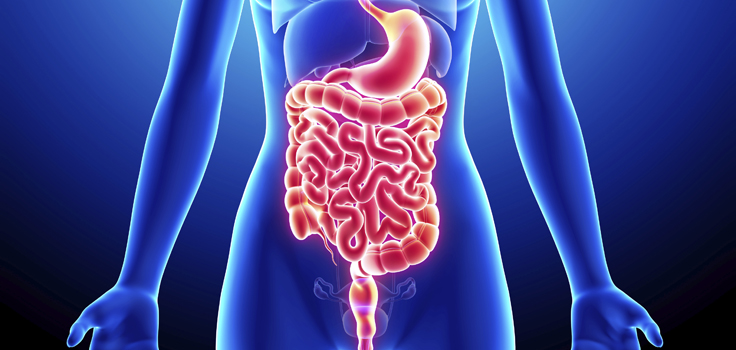
Most likely you have heard of irritable bowel syndrome (IBS), maybe you deal with it yourself. Going from days of constipation to days of diarrhea and always being on bathroom alert. What you may not know is that IBS has a big brother called inflammatory bowel disease (IBD) which is actually a term for two different but similar diseases, Crohn’s disease and Ulcerative Colitis. People with IBD often experience similar symptoms as IBS, but to a greater degree. They frequently experience chronic bloody diarrhea, fatigue, severe abdominal cramping, loss of appetite and weight loss. People with Crohn’s disease can develop extreme inflammation and ulcers anywhere along their GI tract, starting with their mouth and ending at their anus. Someone with ulcerative colitis will only experience inflammation and ulcers in their colon, the last five feet of their intestinal tract. Symptoms of IBD can leave a sufferer feeling hopeless, but I have seen first-hand how people with IBD put their disease into remission.
Genetics and environmental triggers
 IBD is actually an autoimmune disease, meaning the body is actively attacking its own tissues. Research has shown that people with IBD have a specific gene in their DNA that makes them susceptible to developing the disease. However, this gene needs a trigger in order to be turned on. That trigger might be a viral infection such as the flu or a cold, it could be the antibiotics given during surgery, or it might even be a stressful life event. Once the gene is turned on it probably cannot be turned off, so the goal of treatment is disease remission.
Nutrition for healing IBD
To help my clients reduce the inflammation in their gut, heal their ulcers, and stop the daily diarrhea and cramping, I always recommend they start a gluten- and dairy-free diet for at least 6 weeks. In a 2014 study, researchers found that about 65 percent of study participants with IBD who had tried a gluten-free diet experienced fewer GI symptoms. This was definitely the case for a recent client of mine.
Rebecca was diagnosed with Ulcerative Colitis during the summer of 2014 when she was just 17 years old. Her doctor recommended she follow a low-fiber diet, so she gave up eating her favorite fruits and vegetables and began living on what she called “The Twinkie Diet.” She ate lots of processed foods including low-fiber cereals, Pop-tarts®, white bread and potato chips.
Despite her low-fiber diet, high doses of prednisone and other medications, she continued to have bloody diarrhea, gained 50 pounds, and had no energy. Rebecca had started eating a gluten-, dairy-, and sugar-free diet all on her own, even before I met with her. She quickly lost almost 30 pounds*, became less inflamed, and noticed that her GI symptoms were slowly improving.
I helped Rebecca create a more balanced meal plan by including more protein and healthy fats to help stabilize her blood sugars and give her body the nutrients it needed to heal the ulcers in her colon. Rebecca now sees clearly that if she eats gluten, she will experience severe abdominal pain. If she eats high-sugar foods, or foods with processed fats, she will get cramps and diarrhea.
Not only does Rebecca feel better and have energy again, but her most recent colonoscopy was normal, with almost no signs of inflammation.
Key supplements may help
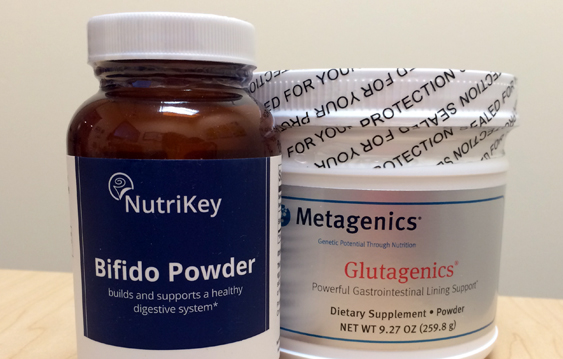 Avoiding inflammatory foods is an important step in healing, but there are two key supplements that can help quicken the process.
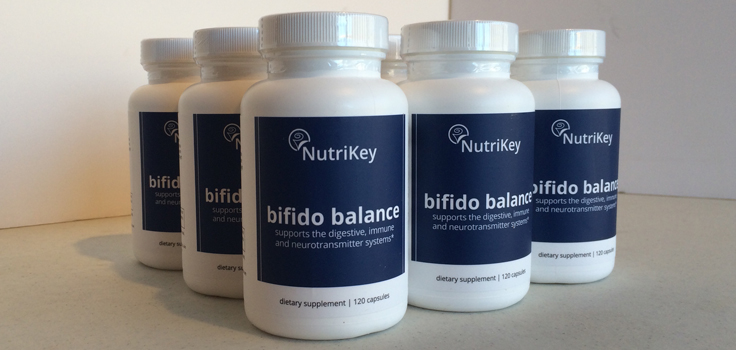
- Nutrikey Bifido Powder: I recommend that clients with IBD take ¼-½ tsp. of Nutrikey Bifido Powder mixed in a glass of water before each meal. Research has shown that an imbalance in gut flora plays an important role in the development and continuation of IBD symptoms. Reintroducing good bacteria (probiotics) like bifido helps the body digest food and reduces inflammation.
- Metagenics Glutagenics: At Nutritional Weight & Wellness we often recommend glutamine to help heal the digestive tract, but for people with lots of inflammation I like to step up their treatment plan and use Glutagenics. This product contains not only glutamine, but also licorice root and aloe leaf, two extracts that have been shown to help heal the digestive tract. Most clients take ½ tsp. mixed in water with their bifido powder before each meal.
My client Rebecca has found that taking both bifido and Glutagenics each day really helps keep her gut working right. She can tell if she forgets to take them.
Again, the goal of treatment for people with either Crohn’s or Ulcerative Colitis is remission. For many people this can seem impossible as they battle the daily diarrhea, abdominal cramping and fatigue, but with a well-balanced meal plan and a few key supplements, these symptoms can be reduced or even eliminated.
For more information, listen to our podcast: Crohn’s & Colitis.
REFERENCES:
- Virginia Pascual, Romina Dieli-Crimi, Et al. Inflammatory bowel disease and celiac disease: Overlaps and differences. World J Gastroenterol 2014 May; 20(17): 4846-4856.
- Hans H. Herfarth, Christopher F. Martin, et al. Prevalence of a gluten free diet and improvement of clinical symptoms in patients with inflammatory bowel diseases. Inflamm Bowel Dis. 2014 July; 20(7): 1194-1197.
- The Crohn’s & Colitis Foundation of America. www.ccfa.org
*Because everyone is unique, individual results vary.
Share This Article