Embracing the Anti-Resolutions Approach
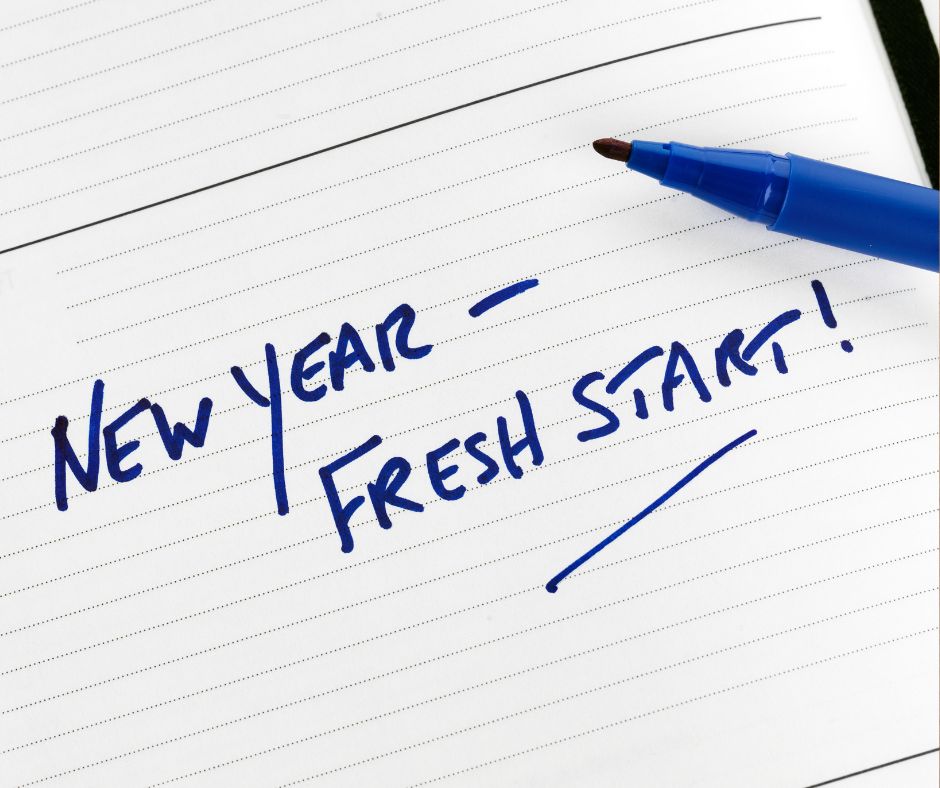
As we step into 2025, it’s tempting to feel the pressure to set lofty New Year’s resolutions. You know the ones: lose 30 pounds, work out every day, give up sugar forever, or completely revamp your life starting January 1st. Sound familiar?
This year, we’re flipping the script. Let’s embrace anti-resolutions—a kinder, more effective way to create lasting changes.
Curious to dive deeper into the anti-resolution mindset? Tune into our podcast episode for even more practical advice and inspiration. Registered dietitian's Teresa and Leah share actionable steps, real-life client stories, and tips for creating sustainable habits that align with your goals. Listen in and get ready to make 2025 your year of realistic, achievable change.
Here’s our 5 What NOT to do in 2025, inspired by the podcast discussion on anti-resolutions:
1. Stop Trying to Do It All at Once
Many of us fall into the trap of thinking, “It’s January 1st, so I need to completely change my life.” But as Teresa pointed out on the podcast, the typical resolutions approach is all about the “go big or go home” mentality: “I’m one type of person on December 31st, and I’m going to be a completely new person on January 1st.”
This all-or-nothing approach—like committing to seven days a week at the gym after months of inactivity or cutting out sugar entirely—often leads to burnout. Instead, aim for smaller, methodical changes.
Leah offered a powerful example of how small, consistent adjustments can lead to success: “If sugar cravings are controlling your evenings, start by looking upstream. Many people under-eat during the day, leaving their tanks empty by night. Try adding a balanced, whole-food breakfast to your routine—even just one or two days a week to start.”
Tips for Breaking the Cycle:
- Start with one small, manageable habit—like eating a balanced breakfast 1-2 times a week.
- Look at your current patterns. If late-night snacking is an issue, focus on eating more during the day.
- Build on your progress gradually. Once breakfast becomes a habit, consider another small change, such as adding more vegetables to lunch.
2. Don’t Punish Yourself for Setbacks
Setbacks are inevitable. Birthdays, holidays, or even just a rough week can derail the best-laid plans. But, as Teresa emphasized, “You’re only one meal or snack away from being on track again.”
Rather than seeing setbacks as failures, shift your mindset. “When we expect and normalize off days or even off weeks,” Teresa said, “it helps us focus on the long game. You haven’t undone all your progress because of one holiday or vacation. It’s the consistency on the regular days that truly counts.”
Tips for Handling Setbacks:
- Normalize off days or weeks. Expect them and don’t let them derail your long-term goals.
- Use setbacks as a learning opportunity. Ask yourself, “What did I learn from this? What could I do differently next time?”
- Reflect on the bigger picture. Even if 25 days a year are “off,” that still leaves 340 days for consistency—and progress.
3. Avoid Falling for Fads or Extremes
Every January, social media floods our feeds with juice cleanses, keto challenges, and other extreme diets. But as Leah explained, these drastic overhauls often come from a place of desperation: “We make those more extreme decisions when we’re trying to regain control of our lives, our schedule, our food, our bodies.”
Instead of swinging between extremes, think about foundational habits that anchor your health. Leah shared her own anchor habit: a nightly 10-20 minute walk after her kids go to bed. “It’s my time. My mind has a chance to wander and process through things. It helps my sleep, and just being outside in nature is soothing for my soul.”
Teresa shared similar strategies: “I have a solid bedtime routine and always start my day with a glass of water. These aren’t extremes—they’re simple, manageable things that help me feel grounded.”
Tips for Staying Grounded:
- Identify your health anchors—habits that support your well-being, like a morning glass of water or a nightly walk.
- Avoid reacting to “bad” weeks with extreme measures. Instead of a juice cleanse, return to your anchors.
- Remember, small steps are sustainable steps. Consistency with foundational habits leads to lasting change.
4. Resist Labeling Foods as Good or Bad
The language we use around food matters. Teresa shared that labeling foods as “good” or “bad” can lead to feelings of shame: “If food is labeled as good or bad, we can easily jump to the person eating it being good or bad for eating those foods.”
Instead, she encourages looking at food as neutral and focusing on whether it aligns with your goals. Leah suggested asking, “What foods are going to be more helpful for your goals, and what foods might be less helpful?”
Tips for Reframing Food Choices:
- Focus on how foods make you feel and whether they support your goals.
- Avoid moralizing food choices—eating a cookie doesn’t make you “bad,” and eating a salad doesn’t make you “good.”
- View foods on a spectrum of helpful versus less helpful for your personal needs.
5. Don’t Get Stuck in the Comparison Trap
Social media is a breeding ground for comparison, but it’s important to remember that what you see is often curated and unrealistic. Leah shared a client’s experience in a bariatric surgery support group where she felt like “everyone else was doing weight loss better than me.”
Leah reminded her that the loudest voices online are often those who’ve had the most visible success. The quieter stories—those struggling or not seeing the same results—are rarely showcased.
Teresa added, “Your social media experience is so curated and driven by algorithms. If you’re only looking at health influencers and runway models, it may not be great for your mental well-being.”
Tips for Avoiding the Comparison Trap:
- Take breaks from social media, or unfollow accounts that make you feel inadequate.
- Focus on your own journey. As Leah said, “Run your own race. We all move through life on our own timeline.”
- Practice gratitude. Shift your focus to what your body can do and the positives in your life.
Final Thoughts
2025 doesn’t have to be about massive resolutions or chasing an idealized version of yourself. By rejecting the all-or-nothing mentality and embracing anti-resolutions, you can create real, meaningful progress—without the pressure to be perfect.
As Leah put it, “Run your own race. We move through life in our own lane and on our own time.”
What anti-resolutions will you adopt this year? Share your thoughts with us, and let’s make 2025 the year of realistic, sustainable change.
Share This Article