In a world filled with endless protein powder options, finding the best protein powder for you can feel like searching for a needle in a haystack. Whether you're looking to support your fitness goals, add more protein to your diet, or find convenient nutrition on busy days, this guide will help you navigate the protein powder landscape with confidence.

Why Protein Matters for Your Body
Protein isn't just for bodybuilders—it's essential for everyone! Here's why getting enough protein should be on your radar:
-
Metabolic Boost: Protein stimulates your metabolism by up to 30% for several hours after consumption, making it valuable for maintaining a healthy weight.
-
Appetite Regulation: High-quality protein helps you feel satisfied longer, reducing cravings and supporting healthy eating patterns.
-
Structural Support: Your bones, tendons, and ligaments all rely on protein for maintenance and repair, helping prevent injuries and supporting movement.
-
Immune Function: A well-functioning immune system depends on adequate protein intake.
-
Muscle Development: Protein supports muscle growth and maintenance, which in turn supports metabolism and healthy body composition.
-
Neurotransmitter Production: Your brain's "feel-good" chemicals require protein as precursors, linking protein intake directly to mood and cognitive function.
-
Blood Sugar Stability: When consumed alongside healthy carbohydrates and fats, protein helps stabilize blood sugar, supporting consistent energy levels throughout the day.
Animal vs. Plant Protein: Understanding the Difference
The protein source significantly impacts its nutritional value:
Animal proteins (whey, beef, and egg) generally offer:
-
Complete amino acid profiles with all nine essential amino acids
-
Higher bioavailability (your body can use more of it)
-
Greater protein concentration per serving
Plant protein sources typically have:
-
Incomplete amino acid profiles (missing one or more essential amino acids)
-
Lower bioavailability due to fiber and anti-nutrients
-
Need for combining different sources to create complete protein
-
Higher carbohydrate content alongside the protein
If you choose plant based protein powders, look for blends that combine multiple sources to create a complete amino acid profile or choose one that is pea protein based (pea protein is considered a complete protein).
How Much Protein Do You Actually Need?
Contrary to popular belief, protein needs extend beyond athletes and bodybuilders. For women, nutrition experts recommend 4-6 ounces (roughly 28-42 grams) of protein at each meal and 2-3 ounces (14-21 grams) at snacks. Men generally need slightly more: 5-7 ounces ( roughly 35-49 grams) at meals and 2-3 ounces at snacks.
A practical way to estimate your protein needs is using your palm as a visual guide—about one and a half to two palm-sized portions of protein-rich foods at each meal provides an appropriate amount for most adults. For greater accuracy, a food scale can help you measure precise portions.
If you're using protein powder in a morning smoothie, women should aim for about 28-35 grams of protein, while men might need 35-49 grams to start their day strong.
Types of Protein Powder: Finding Your Perfect Match
Whey Protein Powder
Whey protein remains one of the most popular choices, and for good reason:
-
Contains all essential amino acids your body needs
-
Excellent mixability and typically pleasant taste
-
Generally more affordable than other options
-
Quickly absorbed by the body
-
Available in whey protein concentrate or whey protein isolate forms
However, since whey protein is derived from dairy, it's not suitable for everyone:
-
Those with lactose intolerance may experience digestive discomfort
-
People with dairy sensitivities should consider alternatives
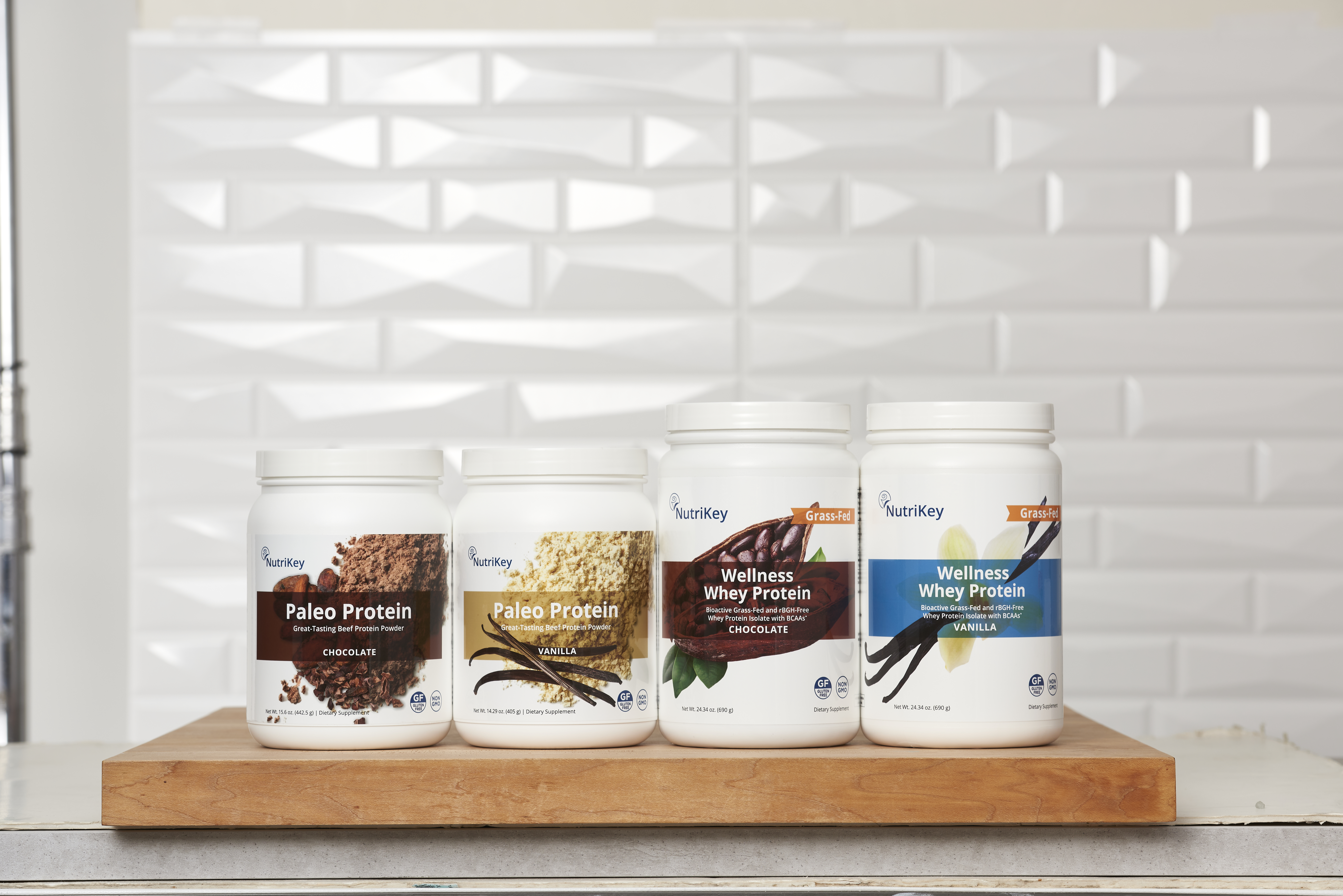
Paleo Protein (Beef Protein)
Don't let the name scare you—beef protein powder doesn't taste like meat!
-
Great alternative for those with dairy sensitivities
-
Provides a complete amino acid profile
-
Available in delicious flavors like chocolate and vanilla
-
Free from lactose and dairy components
Plant-Based Protein Powders
For those following vegan diets or avoiding animal products plant based protein powders are a good option:
-
Pea protein offers a complete amino acid profile
-
Hemp protein provides beneficial omega fatty acids
-
Many brands now offer blends to create complete protein profiles
It's worth noting that plant protein generally has lower bioavailability than animal-derived proteins, meaning your body doesn't absorb and utilize it as efficiently. You might need to consume more to get the same benefits.
Note about Collagen Powder:
Generally we tell our clients to count it as extra protein and/or have additional protein with it - don’t consider it a protein powder.
What to Look for in Protein Powder: Reading Labels Like a Pro
The ingredient list tells you everything you need to know about quality. Here's what to watch for:
Quality Indicators:
-
Short ingredient list with recognizable foods
-
Protein content of at least 15-25 grams per serving
-
Minimal added ingredients
-
Appropriate for your dietary needs and restrictions
Red Flags to Avoid:
-
Added sugars (look for terms ending in "-ose" or syrups)
-
Artificial sweeteners (sucralose, aspartame, acesulfame potassium)
-
Refined oils (soybean, corn, vegetable, canola)
-
Unnecessarily long ingredient lists with chemicals you can't pronounce
-
Sugar alcohols (ending in "-itol") if you have digestive sensitivities

Protein Powder in Action: Beyond Basic Protein Shakes
While protein shakes are the most common way to use protein powder, there are plenty of creative options:
-
Morning Smoothies: Blend with fruits, vegetables, and healthy fats for a complete meal.
-
Quick Shakes: Mix with water or milk in a shaker bottle for on-the-go protein
-
Baked Goods: Add to muffins, pancakes, or bread for protein-enhanced treats
-
Energy Bites: Create no-bake energy balls (shown above) for convenient snacking
-
Yogurt Boost: Stir into yogurt for extra protein power
-
Warm Options: Create hot chocolate protein drinks or warm apple pie smoothies in colder months
Pro tip: Make batch smoothies and freeze them in glass jars for grab-and-go options throughout the week!
Special Considerations for Special Needs
Different goals and conditions may influence your protein powder choice:
To support muscle growth and recovery:
-
Whey protein or whey protein isolate (if tolerated)with branched-chain amino acids
-
30-40 grams of protein within the post-workout window
For weight management:
-
Higher protein intake to support metabolism and satiety
-
Options with minimal added ingredients and sugars
For digestive sensitivities:
-
Unflavored protein powder to avoid additives
-
Avoiding common allergens based on your specific sensitivities
Recap:
The best protein powder is ultimately the one that:
-
Meets your nutritional needs
-
Agrees with your digestive system
-
Fits your budget and lifestyle
-
Tastes good enough that you'll actually use it regularly
Remember that protein powder is a supplement to whole foods, not a replacement for them. Use it as a convenient way to boost your protein intake when needed, and focus on quality protein sources from whole foods as the foundation of your nutrition plan.
Additional Resources:
Read: How to Choose a Quality Protein Bar
Read: Why Women Need Protein For Weight Loss
Listen: How to Choose Protein Powder – Ask a Nutritionist
Share This Article