Why is Omega-3 So Important?

About Omega-3
Omega-3 is an essential fatty acid that is critical for brain health and for reducing inflammation. You may have heard of DHA and EPA, the two main components of omega-3. DHA makes up 60 percent of the fat in your brain, which is why omega-3 is beneficial for people who have depression, memory problems, difficulty focusing, or are hyperactive. DHA is also important for women who are pregnant, to support the brain and retina development of the baby. EPA reduces inflammation throughout the body, and studies have shown it could be helpful for people with hypertension, heart disease, asthma, arthritis, diabetes, Crohn’s disease and Alzheimer’s.
Many people do not eat enough omega-3 fish (such as salmon, mackerel and sardines) to maintain a healthy level of omega-3, which is where the supplement comes in.
How to Take It
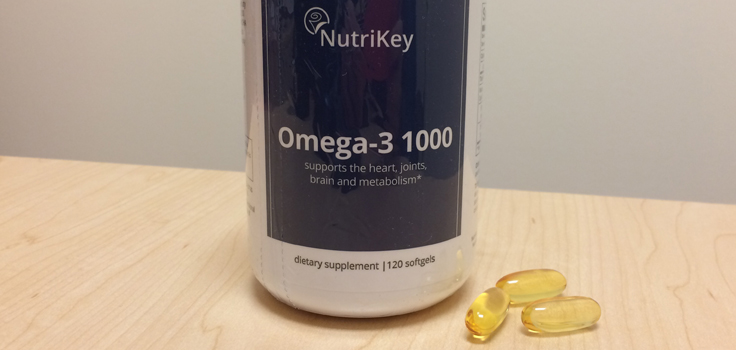
Our nutritionists and nearly all health care professionals recommend supplementing with 1,000 mg of omega-3 and up to 3,000 mg daily. It’s recommended to take it with meals throughout the day; for instance if you’re taking 3,000 mg daily, you could take one softgel with breakfast, lunch and dinner.
Please note that those with conditions like arthritis or Crohn’s may benefit from taking up to 9,000 milligrams a day. Additionally, omega-3 has a slight blood thinning effect, so if you are on a blood thinner, consult your doctor before taking this supplement.
Share This Article