How to Cook: Stir-Fry

We’re back with another "How to Cook" article, this time talking stir-frying. Our goal is to make you knowledgeable and comfortable enough to make your own dish instead of calling for takeout. Bonus, you’ll actually know what’s in your dish, have confidence that the oils used are healthy for your body, and stir-frying is so fast you’ll probably have dinner on the table faster than if you picked up the phone.
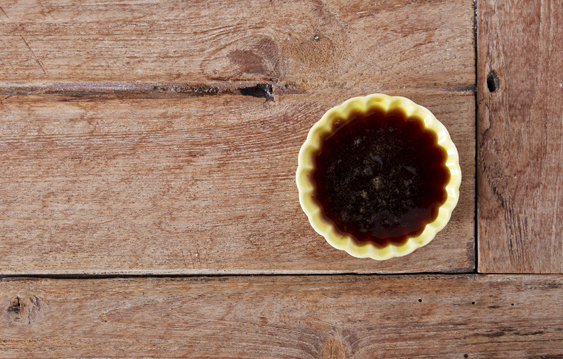 Ok, let’s wok and roll! First up, let’s talk about what sauces are going to flavor these delicious meals. There are many bottled sauces on the market these days but many of the ingredients like MSG, wheat, soybean oil, and other preservatives can cause reactions such as migraines and digestive troubles.
While it may not be as convenient as reaching for a pre-made sauce, making your own, such as this basic Stir-Fry Sauce, takes just a few extra minutes.
As you can see, we recommend using Bragg Liquid Aminos since it is a naturally gluten-free soy sauce. If gluten is not an issue for you and your family, feel free to use regular soy sauce. If you or a guest is allergic or sensitive to soy, replace the soy sauce or Liquid Aminos with Bragg Coconut Aminos. This product has a slightly sweet flavor, and you may need to add a little extra salt at the end to help balance the flavor.
Stir-fry Tips
- Pre-cut all your meat and veggies and have them ready to cook. You can even do this a few days in advance to make your weeknight cooking faster. Make sure to cut vegetables into bite-size pieces so they cook evenly and are easy to eat.
- Cook in batches and have extra bowls ready. Most stir fry recipes will have you cook the meat and veggies separately, and then combine them just a few minutes before serving. This prevents the vegetables from getting overcooked and mushy.
- Use a big skillet or wok and don’t overcrowd the pan, a common mistake. .
All of the recipes in this article use coconut oil. Mary Enig and Sally Fallon, authors of Nourishing Traditions, recommend olive oil or lard for stir frying. We often use a combination of oils (olive oil, coconut oil, avocado oil, lard) since they have a high smoke point. Avoid cooking with polyunsaturated fats (sesame oil, rice bran oil, grapeseed oil, safflower oil, sunflower oil, cottonseed oil, corn oil, canola oil, soybean oil) since they don’t have high smoke points.
Healthy stir-fry recipes
 Shrimp Fried Rice (adapted from Sunset, Chinese Cookbook)
Fried rice is a great way to use up odd bits of leftover vegetables and meat from previous dinners. We've adapted this recipe to make it a little less carb heavy, which will prevent your blood sugars from skyrocketing.
Ingredients:
2 c. cooked rice (cold)
2 c. cauliflower rice
2 eggs, beaten
4-5 Tbsp coconut oil
2 green onions, thinly sliced into small rounds
3-4 pounds small cooked shrimp or leftover cooked chicken, pork, beef
1/2 c. frozen peas, thawed
1/2 c. dry roasted cashews
2 Tbsp Bragg Liquid Aminos
1/4-1/2 tsp salt
Directions:
- Heat Wok or large frying pan over medium heat. Add 1Tbsp oil and stir-fry green onions for 30 seconds, add the beaten eggs and stir, cooking until soft curds form. Remove from the pan and set aside.
- Heat another Tbsp of oil and stir-fry the cauliflower rice until it is soft, about 5 minutes.
- Add 1Tbsp of oil as needed, along with the shrimp, peas, and cashews. Cook for another 2 minutes and remove from the pan.
- Heat the remaining 2 Tbsp of oil in the pan and add the rice. Cook for about 2 minutes or until heated through.
- Stir in the soy sauce and shrimp mixture.
- Add the eggs and fold in until they are in small pieces. Season with extra salt and pepper as needed. Serves 4-5.
 Kung Pao Chicken (adapted from Sunset, Chinese Cookbook)
Let’s heat things up a bit. This very fast stir fry is native to the Sichuan province of China. It is believed to be named after Ding Baozhen a late Qing Dynasty official and governor of Sichuan Province whose title was Gongbao (Kung-pao) meaning "Palace Guardian.” During the Cultural Revolution, the dish's name became politically incorrect because of its association with the imperial system, and the dish was renamed "Fast-fried chicken cubes" (Hongbao Jiding).
If you dislike spicy food use fewer chili peppers or just make sure not to eat them.
Sauce:
2 Tbsp Bragg Liquid Aminos
1 Tbsp dry sherry or lime juice
1 Tbsp white wine vinegar or rice wine vinegar
3 Tbsp broth or water
2 tsp corn, tapioca, or arrowroot starch
2 tsp sugar or stevia equivalent
Stir-Fry:
1 Tbs corn, tapioca, or arrowroot starch
1 Tbs dry sherry or lime juice
1/2 tsp salt
1/8 tsp ground pepper
1 ½ pounds chicken breast, cut into bite size pieces
4 Tbsp coconut oil
4-6 small dried hot chili peppers (Sichuan/Szechuan or Thai)
1/2 c. salted peanuts or cashews
1 tsp minced garlic (1-2 cloves)
1 tsp minced/grated fresh ginger
2 whole green onions cut into 1" pieces
Directions:
- In a small bowl combine the sauce ingredients and set aside.
- In a medium bowl combine the remaining starch, lemon juice, salt and pepper. Add chicken and coat with mixture.
- Heat wok or a large frying pan over medium heat, add 1Tbsp of oil and the chili peppers. Allow peppers to char on the outside just a bit. If they burn, throw them out and start over. Remove peppers and set aside.
- Increase the heat to high and add the remaining oil to the wok/pan. Add the chicken and stir occasionally until it is opaque, about 3 minutes.
- Add the remaining ingredients, including the peppers and stir-fry 1-2 minutes more.
- Stir in the sauce, allow it to simmer and thicken for another 2 minutes.
- Serve over 1/2 cup cooked rice. Serves 4-6.
These recipes are definitely favorites in many of the Nutritional Weight & Wellness homes. For one more recipe, check out this delicious beef stir-fry recipe on our website, you won’t be disappointed.
Inspired to learn more cooking tips? Check out more of our How to Cook series, about slow-cooking and sautéing meats.
Share This Article