Our Approach to Menopause
Our Approach
Menopause is a natural transition – in fact, about 1.3 million women become menopausal each year. But the fatigue, hot flashes, weight changes, and mood shifts do not have to become your “new normal.”
At Nutritional Weight & Wellness, we believe you can move through this phase with strength, clarity, and vitality—using balanced nutrition and lifestyle support rooted in real-food nutrition.
The presentation of this class was done well. It was easy to follow and very clearly understood. All presenters did an excellent job helping me to understand what I need to do to feel better and be healthy in my senior years.
Our Solutions

Menopause Solutions
Menopause has lots of symptoms, and we have lots of solutions. (That work! Naturally.) Our online Menopause Solutions class is broken down into six video lessons so you can work through the topics at your own pace. Discover steps to manage the uncomfortable symptoms of menopause. Understand the root cause and learn about real food solutions to get them under control. Available pre-recorded online to fit your schedule.

Nutrition Counseling
Work one-on-one with a licensed and registered dietitian to address the unique factors influencing your weight—such as hormone balance, digestion, stress, or metabolism. Together, you’ll create a customized plan that fits your life and helps you reach your goals with lasting success.
Nutrition counseling offers:
- Personalized Approach: Tailored to help you achieve your wellness goals.
- Real Food Focus: Whole, natural foods and practical lifestyle changes.
- Expert Guidance: Customized plan suited to your specific needs.
- Sustainable Tools: Knowledge and resources to make informed healthy choices for life.
- Science-Based, Compassionate Support: Proven science delivered with genuine care and support – not judgement.
Insurance may cover your nutrition counseling, depending on your health plan. For more information go to Insurance Coverage for Nutrition Counseling.
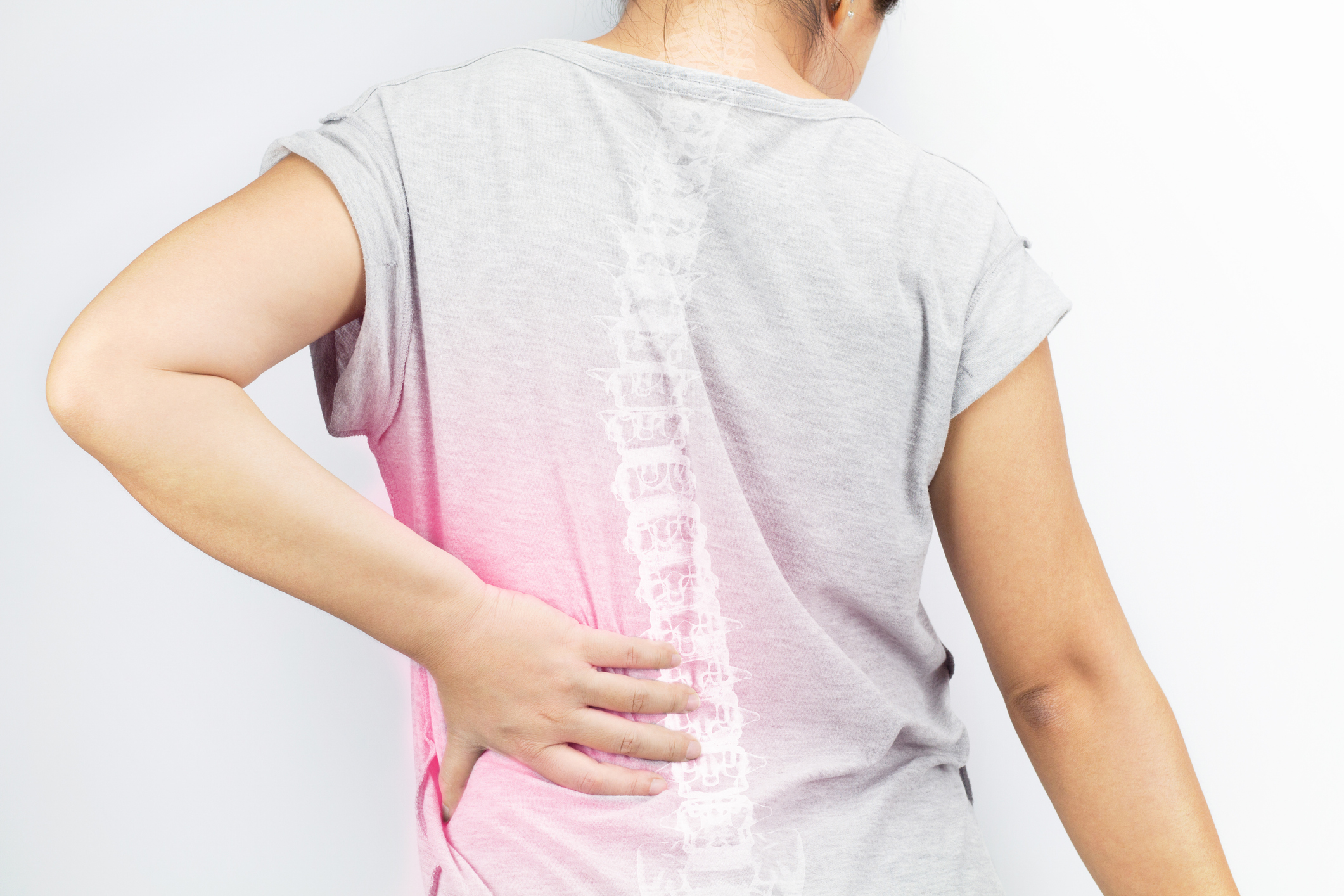
Prevent Osteoporosis with Bone-Building Foods
Nutrition and lifestyle choices you make today will determine how strong your bones are as you get older. Learn which foods build bones and understand the factors that put your bones at risk.
Menopause 101
What are the 3 stages of menopause?
While there isn't a strict division into three stages, the transition can be understood in the following general phases:
Perimenopause:
This is the transitional phase leading up to menopause itself. It typically starts several years before menopause and is characterized by hormonal fluctuations and irregular menstrual cycles. During this time, women might begin to experience menopausal symptoms such as hot flashes or night sweats, mood swings, irregular periods, sleep disturbances, and changes in vaginal dryness. Fertility decreases during perimenopause, but pregnancy is still possible.
Menopause:
Menopause is technically defined as the point at which a woman has not had a menstrual period for 12 consecutive months. This is when the ovaries significantly reduce their production of the hormones estrogen and progesterone, leading to the end of monthly ovulation and menstruation. The menopausal transition usually occurs around the age of 50, but it can happen earlier or later for some women.
Postmenopausal:
This stage begins after menopause and continues for the rest of a woman's life. During menopause, the menopausal symptoms that were common during perimenopause, such as hot flashes and night sweats, may start to decrease in intensity and frequency. However, the decreased levels of estrogen and other hormonal changes can lead to long-term health concerns such as osteoporosis and an increased risk of cardiovascular disease in postmenopausal women.
Excellent content! Very helpful! The online video series is perfect for those looking for self paced courses without a live video format.
- Mood swings
- Anxiety
- Depression
- Hot flashes
- Headaches
- Irregular periods
- Absent periods
- More frequent periods (shorter cycles)
- Heavier or lighter periods
- Dry skin
- Hair loss
- Weight gain
- Digestive changes
- Insomnia
- Low libido
- Brain fog
- Night sweats
Key Hormonal Players During These Stages
As previously mentioned, women go through a rollercoaster of hormonal changes. Let’s take a look at some of the major hormonal players to help you learn more about your body.
Estrogen is the main female sex hormone. The ovaries’ production of estrogen starts to decrease as we enter perimenopause. It may be more of a gradual decline because other parts of our body can still make estrogen, like fat cells. So, the more fat cells we have, the more estrogen that is produced, which isn’t necessarily a good thing as it can lead to estrogen dominance.
Progesterone is our calming hormone. Production of this hormone decreases dramatically due to less frequent ovulation. Remember we need to ovulate in order to make progesterone. Many of the symptoms we experience in perimenopause are due to the skewed ratio of estrogen to progesterone. When you have more estrogen than progesterone, we often see a condition called estrogen dominance. Estrogen dominance causes many of the symptoms we’ll discuss in a bit.
Insulin is our blood sugar hormone, which I like to refer to as a master hormone. If insulin is elevated it will affect all the other hormones in our
More Menopause Resources
Articles on Menopause
Articles on Menopause