What A Nutritionist Eats In A Day | Kristi Kalinsky RD, LD

We understand that eating real food and making health changes is not a one-sized-fits-all approach. Our nutritionists and dietitians know that the perfect plan is unique to you and that’s what makes nutrition counseling sessions so valuable! They help you listen to those body cues, look at your health history, and then brainstorm ways to make eating real food doable with your schedule, your family, and your preferences. And they have real-life experience of knowing what it takes from their own lives by putting into practice what they teach!
Take Kristi as an example. She’s a busy, single mom of two active and growing kids who are in school and sports. As a registered dietitian, she sees clients in the Maple Grove office and, in addition to working, stays active daily with her dog. How does she have the time to make sure herself and her kids are eating healthy every day?! We asked Kristi to share a few food tips and insider-secrets of getting kiddos to eat real food:
Tips for Food Prep
Q: Kristi, how do you plan for a week of real food?
A: Every Sunday I make a grocery list of what foods I’d like to have on hand for the week. I ensure that I have real food options for quick breakfasts in the morning, packed lunches for school/work and dinners. Sometimes, when we have time, I’ll make something more involved for dinner when we can sit and eat together. I also plan for easy, quick dinners where we will need to eat on the run or when we are pinched for time and need something on the table quickly because everyone is starving! I also look at my snack options to see what I have in the pantry and what perishable items (fruits, veggies, boiled eggs, cheese sticks, etc.) that I need to stock up on.
I will either grocery shop on Sunday if our weekend isn’t too crazy or Monday morning after my kiddos have left for school.
Q: What are your top five items used in the kitchen?
A: My (and my kids!) top five are:
- We like Bento boxes at our house for packing lunches. With the 3 compartments, my kids know that they need to pack an animal protein in one compartment, a carbohydrate in another and healthy fat in the last section. When they have done that, they know that they have a balanced lunch! I like that they are BPA free and can go in the dishwasher for easy clean up!
- I recently purchased the Ninja Fit hand-held blender to make smoothies, homemade guacamole and hummus. It makes food prep easy. My 12-year-old probably uses it the most!
- My crockpot is a staple, especially on nights where I work late, or we have tennis matches or baseball games to go to. There isn’t the temptation to grab food at a restaurant afterwards knowing that we have a hot meal waiting at home for us.
- My cast iron skillet is used on a regular basis at our house. It is a great way to cook steak, make fajitas, baby potatoes, etc. especially in the winter when I don’t want to stand outside and freeze at the grill!
- Lastly, my stoneware baking sheet (I have a smaller one and a larger one) is how I roasted my vegetables in the oven. I use these a few times per week and make big batches of veggies, so we have leftover for the next few days.
Q: What tricks do you use that make meal prep easier?
A: I make a raw vegetable box each week to keep in my fridge for easy grab and go options for lunch boxes or a snack. I will clean and cut mini peppers, slice cucumbers, wash cherry tomatoes, cut up cauliflower, etc. and put them in a large glass container (so the food is visible) and when the refrigerator door opens, they are right there! I’ve noticed that if I put veggies in the “vegetable” drawer that it is a place the veggies go to die, and it creates so much food waste.
I also make different breakfast options for the week ahead of time so we can heat or grab things quickly when we are running out the door. I will a make a large batch of scrambled eggs with veggies for the week and/or I will make different muffin recipes such as the pumpkin muffin recipe from our website or the blueberry muffin recipe (although I’ve been substituting apples in place of blueberries this fall) from the Weight & Wellness Way cookbook. I will freeze ½ of the muffins and leave the others on the counter in an airtight container so I’m not making muffins every week.
Q: What do you always keep on hand?
A: I always have a variety of nut options in my pantry. My kids and I each like different kinds of nuts. They are easy to pack in school bags or in my purse or car for a healthy fat option on the go.
I also love the “Everything But The Bagel” sesame seasoning blend from Trader Joe’s. It pairs nicely with so many different food options. I use the seasoning on my eggs, different cooked veggies, mixed with cream cheese for a healthy dip, and when I’m cooking meat on the grill.
What To Eat
With those great tips in mind, we asked Kristi to give us a visual tour of what she eats in a day. It’s helpful to see what portion sizes look like (as opposed to those restaurant portions!) and get ideas on what types of proteins, fats, and carbs go well together to make satisfying plus delicious meals and snacks. Here’s a behind-the-scenes look at Kristi’s meals:
Breakfast:
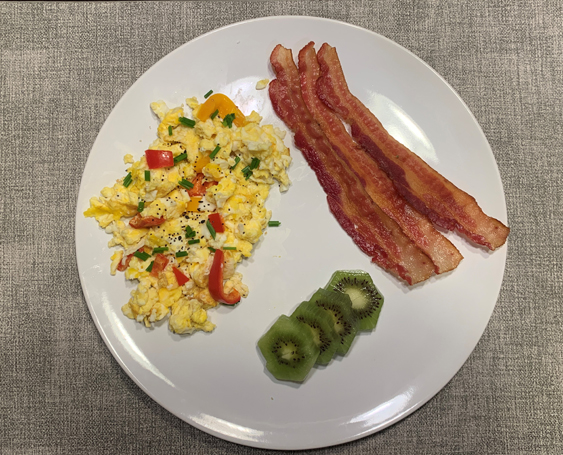
- Scrambled eggs with peppers, chives and Everything but the Bagel seasoning, nitrate-free bacon and a small kiwi
Mid-morning Snack:
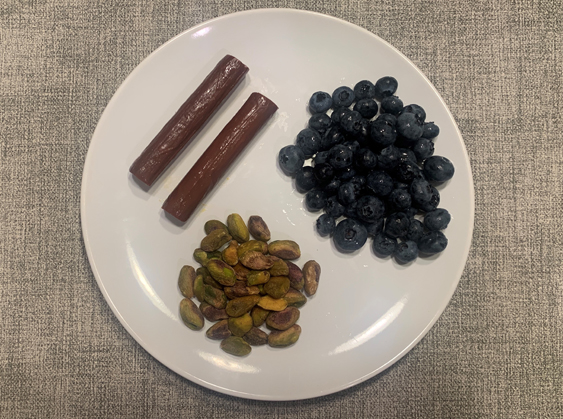
- 2 small grass-fed beef sticks, ½ cup blueberries and 38 pistachios
Lunch:
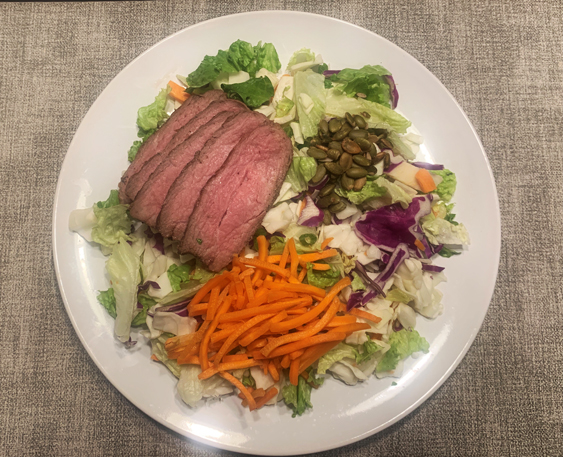
- 4 oz. grass-fed beef, ½ cup shredded carrot, shredded green and red cabbage, romaine lettuce and green onion, 2 Tbsp. pepitas, 2 Tbsp. olive oil and vinegar dressing
Afternoon Snack:
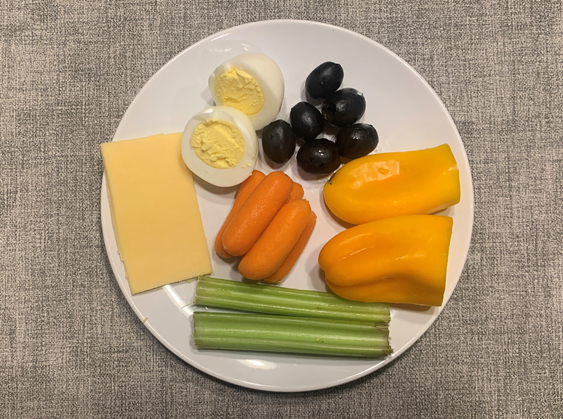
- 1 boiled egg, 1 oz. organic gouda cheese, raw veggies, 6 kalamata olives
Dinner:
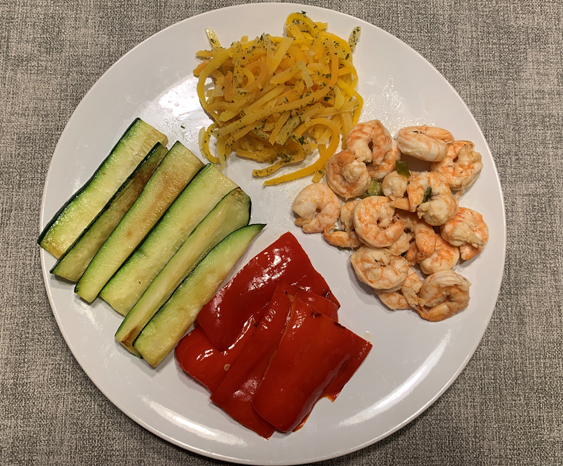
- Fresh Shrimp Kebobs from the Weight & Wellness Way Cookbook: 4 oz. shrimp, grilled red pepper and zucchini, ½ cup spaghetti squash with 2 Tbsp. butter
Bedtime Snack:
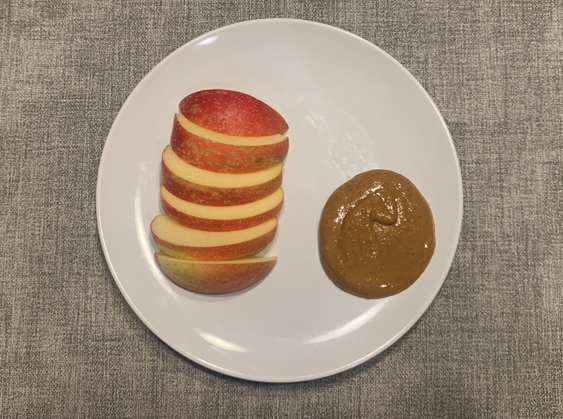
- ½ apple with 2 Tbsp. all-natural peanut butter
Quite the delicious day of nutrient-dense meals made up of real food. To recap a couple of our favorite ideas: fill those slow cookers so there’s a hot meal waiting for you after work/school/activities to help resist picking something up from a restaurant. Teach your kiddos how to pack lunches by putting together proteins, fats, and whole food carbohydrates. Make sure your vegetables are visible and ready for munching! And make plenty of extras to have on hand throughout the week, like those scrambled eggs, roasted veggies, and protein-infused muffins. Thanks Kristi!
For more information on eating real food and meal prepping, check out these additional resources:
- Read: 9 Slow Cooker Tips
- Read: 7 Steps to Eating Well on a Budget
- Try: Sheet Pan Fajitas for a taco Tuesday family night or Sauteed Apples for a cozy bedtime snack
- Learn: virtual healthy cooking demonstration classes
Share This Article