Postpartum Nutrition

 Your new baby is here! You’ve waited 9+ months for this new life to begin. Maybe your pregnancy was a breeze, or maybe it had a fair amount of challenges (hello morning sickness, Charlie horses, joint pain, sleep troubles, gestational diabetes, leg/feet swelling, anxieties and fears, etc.). Maybe your baby made their appearance as planned, or perhaps there were some improvisations that needed to happen during the birth. Either way, you’re ready to move forward and embrace the postpartum period.
Higher Nutrient Needs for Healing
One thing I severely underestimated in the months postpartum with my son (and yes, I said months, not weeks!) was the absolute need to HEAL and RECOVER from pregnancy and birth – and this is true regardless of what your pregnancy and birth experience was like. I remember one midwife telling me that after birth “you literally have a wound the size of a dinner plate on the inside of your uterus [where the placenta was] that needs to heal” – yikes! Depending on your birth experience, you may also have additional incisions that need to heal, blood loss to replace, and tissues that are trying to find their new shape after being stretched to their limits. Not only are you healing and recovering, but you are also still growing a baby (just now they are on the outside instead of the inside!). AND you are expected to do all of this on MUCH LESS sleep than usual!
For many of our nutrients, your daily needs are HIGHER in the immediate postpartum period than during pregnancy, especially if you are breastfeeding. However, the time and the mental wherewithal you have to commit to your usual meal planning and cooking routines has likely been compromised. In traditional cultures, there were often special foods and rituals around supporting mother and baby postpartum, and usually they involved other people cooking FOR YOU. In today’s modern cultures, this is rarely the case. So is it any wonder that many of us flounder with our nutrition in those early days/weeks/months of postpartum?
So what are some important nutrition considerations to account for during that special postpartum window? Let’s take a look:
Areas of Focus for Postpartum Nutrition
PROTEIN
When I think about healing, whether from injury or surgery or other bodily trauma, I always look to adequate protein first. Our tissues require an array of amino acids to start and advance the repair process. For example, the amino acids glycine, proline, and lysine are crucial for making collagen and connective tissue in the body. Our skin is primarily collagen. Branched chain amino acids (leucine, isoleucine, and valine) are required for muscle synthesis. So protein is key for helping to heal incisions or tears and in bringing back strength to the abdomen and pelvic floor.
A recent Canadian study suggests that the current recommendations for protein during the early months of breastfeeding significantly underestimates protein requirements. The results of their research suggest that lactating women should aim for 1.7-1.9g/kg of protein each day (1). For a woman whose pre-pregnancy weight is 150lbs, this would mean a protein intake of at least 115-130g (or 16.5-18.5oz) of protein per day.
Many of the amino acids mentioned above are found in abundance in animal protein sources, such as beef, chicken, turkey, pork, eggs, fish, and dairy products. Notably, glycine is present in rich amounts in tough cuts of meat and bones. Soups and stews made with bone broth can be especially healing choices in the postpartum period as they make many foods easier to digest and contain collagen.
 How can you be sure to incorporate a good amount of protein in your diet postpartum? Try these ideas:
- Make some different varieties of meatballs – beef, turkey, pork, chicken. I especially love our wild rice meatballs and breakfast turkey sausages for this purpose. These can be made during pregnancy since they freeze really well and can be eaten with one hand if necessary!
- Along the same lines, make some meat patties or keep frozen burgers on hand. I’ll recommend to my clients to make 4-6 burgers at a time (on the grill or on a sheet pan in the oven) so you always have some leftover for an easy lunch.
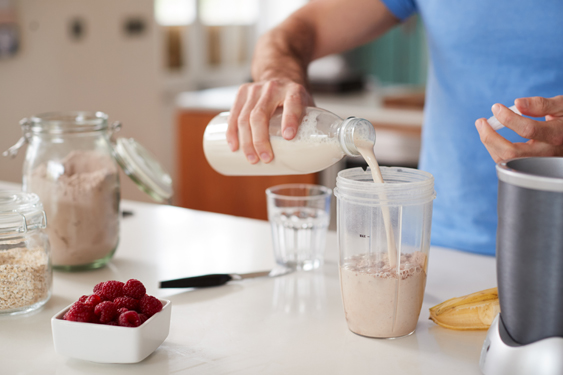
- Drink a daily smoothie that uses a high-quality protein powder. Smoothies are an easy way to pack in a lot of nutrition (even vegetables!) into one cup. Whey protein powder tends to be the best mixing and most economical, but there are lots of other options if you need something free from dairy (like a Paleo or organic pea or hemp protein powder).
- Keep packaged, peeled hardboiled eggs on hand.
- Get the slow cooker out and stick in a rotation of different meats – chicken breasts/thighs, beef roast, pork roast – that can be shredded up and repurposed for various meals or snacks during the week. One of my favorite options is a bowl of shredded pork with sauerkraut and avocado-oil mayonnaise!
- Nitrate-free deli meats or chicken sausages are helpful finger food.
HEALTHY FATS
It’s easy to unintentionally undereat in the postpartum period – your body requires 500+ extra calories per day in those early weeks! Healthy fats are an easy way to close the gap on your increased caloric needs, keep you full and satisfied, and also keep your blood sugar steady. We require higher amounts of the fat-soluble vitamins (like A and E) during our recovery, and international experts recommend that mothers consume at least 300-600mg/day of the omega-3 fatty acid DHA (2). Research also shows that higher dietary fat intake in lactating mothers leads to higher fat content of breastmilk (3), which means baby can also reap the satisfaction and steady blood sugar benefits.
How to include healthy fats? Here are some ideas:
- Remember that protein-rich smoothie from the previous section? Don’t forget to top it off with some nut butter, ½ of an avocado, or a ¼-1/3 cup of canned coconut milk!
- Keep a variety of nuts on hand for easy snacking, or add a few tablespoons of nut butter to a sliced-up apple or pear. Almonds are wonderful, but don’t forget about walnuts, pecans, Brazil nuts, macadamia nuts, and more!
- Go for the higher-fat meats and proteins (like chicken thighs, 80/20 ground beef, or fatty fish like salmon or sardines).
- Add some delicious heavy cream, canned coconut milk, or MCT oil to your coffee and tea.
- Consider a quality cod liver oil as another source of omega-3s and the activated form of vitamin A (retinol). A little bit goes a long way here!
MICRONUTRIENTS
As if we haven’t covered enough already, surprise! Nutrients like vitamin C, magnesium, potassium, and iron – just to name a few – are a crucial of postpartum recovery. Vitamin C, for example, is required to synthesize collagen, along with those lovely amino acids (glycine, proline, and lysine) we mentioned earlier. Magnesium is a cofactor (i.e. helper nutrient) involved in hundreds of pathways in the body, not the least of which impact blood sugar and blood pressure regulation (think if you had gestational diabetes or pre-eclampsia), as well as sleep and anxiety. Potassium is involved in fluid regulation, and an observational study published in 2018 suggested that a higher-than-normal sodium to potassium ratio could be a reason for milk supply issues in early postpartum (4). With blood loss during delivery and postpartum comes the loss of iron. Low iron levels in postpartum can manifest in fatigue, leg cramps, thyroid issues, and higher risk for postpartum depression.
Vitamin C, magnesium, and potassium are best found in whole plant foods, not the refined grains or sugar-laden packaged foods in the middle aisles of the grocery store. Our best sources of iron are meats. How to level up your intake:
- Add red bell peppers to salads, or cut up bell pepper strips as part of a balanced snack (Vitamin C).
- Add chopped leafy greens (spinach, chard, kale, etc.) to soups and stews (magnesium and potassium). If the soup has a meat like beef or pork, you also tick the box for iron.
- Consider using pumpkin seeds for a crunchy addition to yogurt (magnesium).
- Dip cherry tomatoes in guacamole (potassium) and eat with 1-2 meatballs (iron) for a snack.
FLUIDS
You won’t go wrong with our general recommendation of drinking at least half of your body weight in ounces of water, but it is not uncommon to feel more thirsty and to drink double that amount during the postpartum period, especially if you are breastfeeding. Plain water is wonderful, but you can also incorporate other liquids like teas, broths, and some electrolytes.
SUPPLEMENTS
Feeding your baby around the clock is a full-time job, and it’s easy to let your own nutrition fall by the wayside for a time. Couple that with a higher need for most nutrients, and this is where we can inadvertently fall short and have a harder time recovering from pregnancy and birth. Here are some supplements I recommend considering during the postpartum period:
- High-quality prenatal multivitamin – can help fill in some of the nutrient gaps mentioned above, especially for iron restoration.
- Vitamin D3 + K2 – if you live in a higher latitude (i.e., north of Atlanta) and/or don’t spend much time outside without sunscreen on, then supplementing with Vitamin D3 (and K2 for a nice bonus) is a must. Check your Vitamin D blood level when you get a chance: we recommend aiming for 50-70ng/mL. Exclusively breastfed babies should also be supplemented with 400IUs/day, which can be found in liquid form.
- High-quality fish oil or DHA – as mentioned before, experts recommend moms take in 300-600mg of DHA per day. Unless you’re eating fatty fish several times per week, it’s probably a good bet to supplement.
- High quality probiotic – a probiotic like Bifido Balance or Biotic 7 will help keep the balance in gut flora tilted toward the good side, which means better digestion overall and a well-functioning immune system. This can be especially helpful if you received antibiotics during or after birth, or struggled with digestive issues during pregnancy. When mom’s gut is healthy, baby’s gut is more likely to be healthy also! Baby can also be given a little Bifido Powder via a fingertip, on a nipple, or added to a bottle.
Our go-to shop for high-quality supplements to support you during postpartum.
Strategies for Postpartum Recovery
 Here are some additional ideas to help care for yourself during this postpartum period:
- Make some meals in the last few months of pregnancy and stick them in the freezer for this postpartum time. Perhaps aim for one meal per week during the 3rd trimester (if you have the freezer space!). I suggest a good soup or two (or four!), chili, meatballs, oatmeal almond balls, egg bake or quiche, shredded beef or pork, bone broth, smoothies, or meatloaf.
- Have a co-worker or friend start a meal train for you. Perhaps have a few recipes already picked out if people come looking for suggestions of things to make.
- Consider ordering groceries online and/or having them delivered during this time to alleviate worries about getting out of the house between feedings and naps.
- Take inventory of the spots in the house where you will be feeding baby the most – nursery, living room, bedroom, etc. – and place a stash of snacks in those areas within arms reach (think non-perishables like beef sticks, nuts, trail mix, protein bar, water). Being “nap-trapped” is a wonderful snuggle opportunity, AND it can get uncomfortable when your stomach is growling and you have to pee!
Do Your Best
As with many things in motherhood, two dichotomies can exist at one time: you postpartum journey may be the sweetest time of cocooning with your new addition AND this fourth trimester may be the most challenging time of it all. A few nutrition tweaks can help support your healing and recovery so you can enjoy (and survive!) this precious time. Try incorporating the tips and suggestions that you have capacity for or maybe send this article to someone on your support team who can give you some assistance. Best of luck mama – you’re doing great, you got this, and you’re exactly the kind of mom your baby needs!
For more information on nutrition while raising a family, check out these resources:
- Read: 4 Realistic Tips for Helping Kids Eat Healthy Foods (Written By a Dietitian + Toddler Mom)
- Read: Nutrition: The Foundation of Self-Care for Caregivers
- Listen: Postpartum Depression
- Listen: Foods for Pregnancy
References:
1) https://academic.oup.com/cdn/article/4/Supplement_2/653/5845145
3) (https://internationalbreastfeedingjournal.biomedcentral.com/articles/10.1186/1746-4358-5-3)
4) https://www.ncbi.nlm.nih.gov/pmc/articles/PMC5274566/
Share This Article